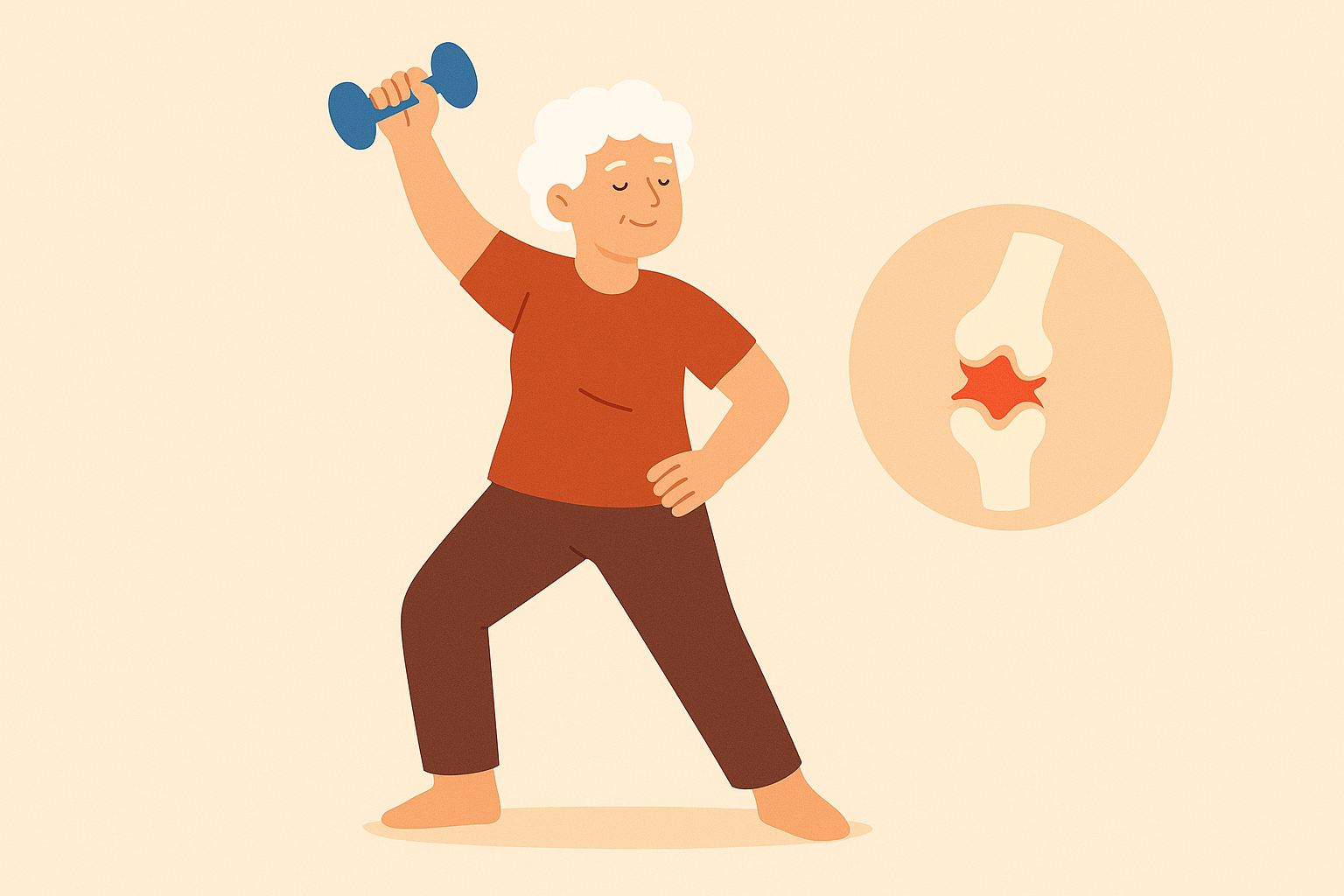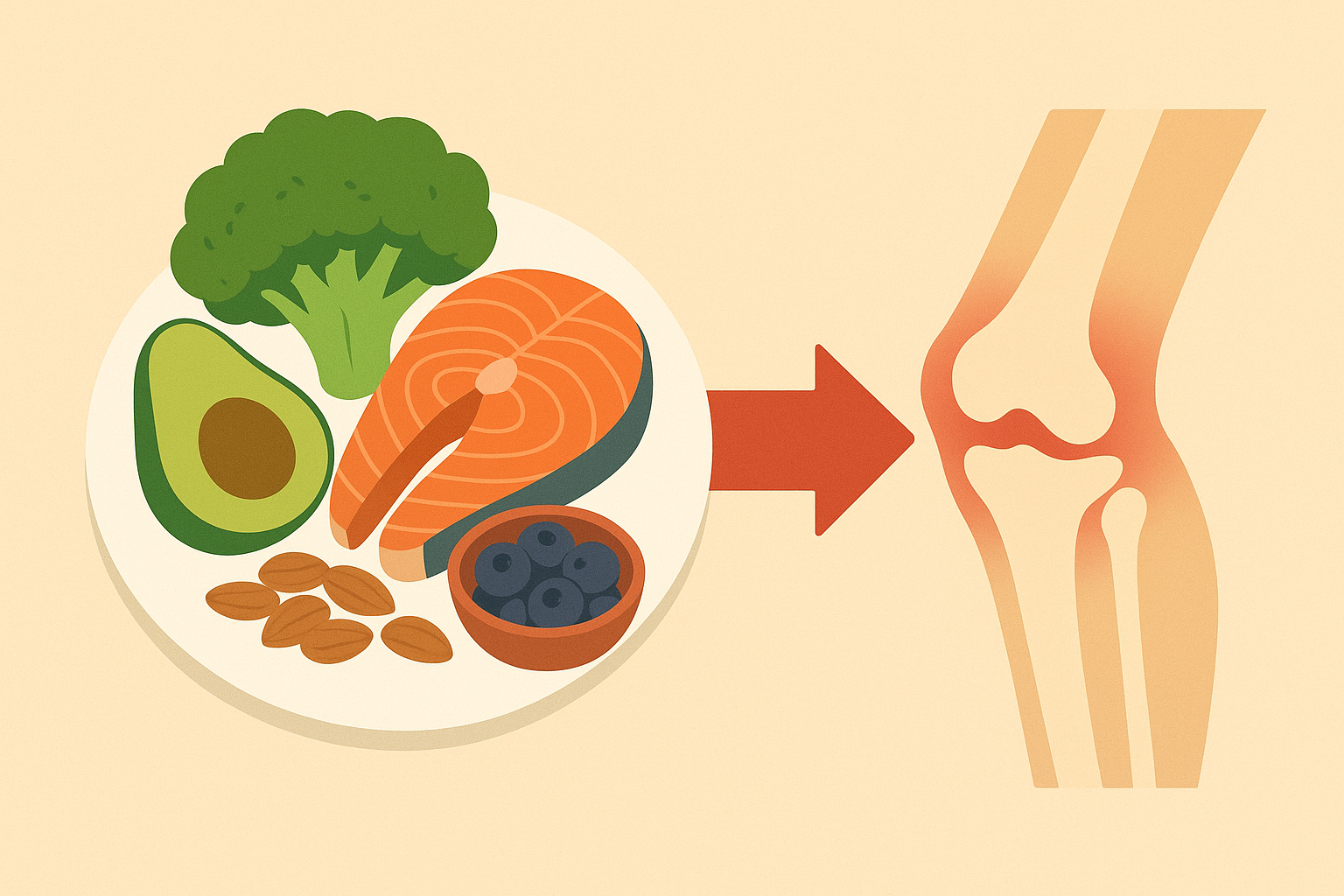
For decades, people with arthritis have been told that “diet has nothing to do with your joints.” But modern science says otherwise. While food can’t cure arthritis, what you eat plays a powerful role in supporting joint health — and in either calming or fueling inflammation, the very process that drives most forms of arthritis.
Our bodies are built from what we feed them. Just like poor fuel can make a car sputter, a poor diet can make your joints ache, swell, or feel stiff. Conversely, the right nutrients can help ease inflammation, support joint repair, and even boost energy levels for people living with arthritis.
Let’s break down how your plate affects your pain — and explore simple, Indian-style meals that can support better joint health.
The Myth: “Diet Has Nothing to Do with Arthritis”
This belief comes from older medical thinking when arthritis was seen purely as a wear-and-tear or autoimmune issue unrelated to nutrition. However, arthritis is fundamentally an inflammatory condition — and inflammation is strongly influenced by what we eat.
Research published in journals like Arthritis & Rheumatology and The British Journal of Nutrition shows that certain foods increase inflammatory chemicals in the body, while others help reduce them. Diet doesn’t cause arthritis on its own, but it can definitely affect symptom severity, disease progression, and overall quality of life.
So yes — diet matters more than most people think.
Understanding the Inflammation Link
Inflammation is the body’s natural defense against injury or infection. But when it becomes chronic — due to autoimmune triggers, stress, or poor diet — it starts damaging healthy tissues, including joints.
Pro-inflammatory foods, such as refined sugar, fried snacks, processed meats, and trans fats, increase molecules called cytokines that make arthritis worse.
On the other hand, anti-inflammatory foods, rich in omega-3s, antioxidants, and fiber, can lower inflammation and ease stiffness and pain over time.
Think of your daily meals as a gentle medicine: they can either help heal or silently harm your joints.
Anti-Inflammatory Foods That Support Joint Health
1. Fatty Fish or Plant-Based Omega-3 Sources
Salmon, mackerel, and sardines are excellent anti-inflammatory foods, thanks to omega-3 fatty acids. If you’re vegetarian, flax seeds, chia seeds, walnuts, and mustard oil can offer similar benefits. Omega-3s help block inflammatory pathways and may reduce morning stiffness.
Simple Indian addition:
Add a spoon of ground flaxseed to your morning smoothie or mix it into roti dough.
2. Colorful Fruits and Vegetables
Berries, oranges, spinach, broccoli, carrots, and tomatoes are packed with vitamins C and E — antioxidants that fight oxidative stress, a key driver of joint inflammation.
Simple Indian addition:
A daily bowl of mixed fruit (papaya, guava, and pomegranate) or a sabzi rich in greens like palak or methi is a tasty anti-inflammatory boost.
3. Whole Grains Over Refined Carbs
White rice and refined flour can spike blood sugar, increasing inflammation. Replace them with brown rice, millets, oats, or whole wheat rotis. Whole grains are rich in fiber, which helps lower C-reactive protein (CRP), a marker of inflammation.
Simple Indian addition:
Try a millet-based upma or a multigrain chapati with sabzi for lunch.
4. Spices That Heal — Especially Turmeric
Turmeric is one of India’s most ancient joint-friendly remedies — and modern science supports it. Its active compound, curcumin, has strong anti-inflammatory effects, similar to some over-the-counter pain relievers (though without the side effects).
Simple Indian addition:
Use turmeric regularly in curries or drink haldi doodh (turmeric milk) with a pinch of black pepper to enhance absorption.
5. Healthy Oils and Nuts
Switching from refined oils to cold-pressed mustard oil, olive oil, or sesame oil can make a difference. Nuts like almonds and walnuts add good fats and vitamin E, which protect joint cells from damage.
Simple Indian addition:
Add a handful of soaked almonds or walnuts to your breakfast.
6. Pulses and Legumes
Lentils, chickpeas, and kidney beans are high in plant-based protein and fiber, helping maintain muscle strength around joints and keeping inflammation low.
Simple Indian addition:
Enjoy a bowl of dal or rajma chawal — it’s comforting and joint-friendly.
Common Diet Myths Around Arthritis
Let’s clear up some popular myths that often confuse people living with arthritis.
Myth 1: “Dairy worsens arthritis”
This is one of the most persistent myths. While some people think milk causes joint inflammation, research doesn’t support it. In fact, low-fat dairy provides calcium and vitamin D — both vital for bone health. Unless you have lactose intolerance or a confirmed dairy allergy, moderate dairy intake is beneficial.
Try this:
A glass of warm, low-fat milk with turmeric or a bowl of curd at lunch is joint-friendly.
Myth 2: “Spicy foods cause arthritis”
There’s no scientific proof that spices cause or worsen arthritis. In fact, several spices — like turmeric, ginger, and cinnamon — have anti-inflammatory properties that help joints.
Try this:
Add grated ginger to dal or sabzi for a natural anti-inflammatory kick.
Myth 3: “Supplements can replace diet”
Supplements like omega-3 capsules or glucosamine can support joint health but can’t replace whole foods. Nutrients are absorbed better from food sources that also provide fiber and antioxidants.
Balanced approach:
Focus on real food first, and use supplements only if your doctor recommends them.
Myth 4: “All fats are bad”
Not all fats are created equal. Trans fats and hydrogenated oils increase inflammation, but good fats — from nuts, seeds, fish, and olive oil — protect joints and improve mobility.
Sample Indian Anti-Inflammatory Meal Plan
Here’s a simple example of how an arthritis-friendly day could look — using common Indian foods.
Breakfast:
Moong dal chilla with mint chutney
A small bowl of papaya or pomegranate
Herbal tea with ginger and lemon
Lunch:
Multigrain roti or brown rice
Palak dal or rajma curry
Mixed vegetable salad with cucumber, carrot, and tomato
A bowl of curd
Evening Snack:
Handful of roasted chickpeas or nuts
Turmeric milk or green tea
Dinner:
Vegetable khichdi with a spoon of ghee
Light sautéed methi or lauki sabzi
Warm water with a slice of lemon before bed
Small, consistent changes like these can ease inflammation naturally and support long-term joint comfort
What About “Arthritis Trigger Foods”?
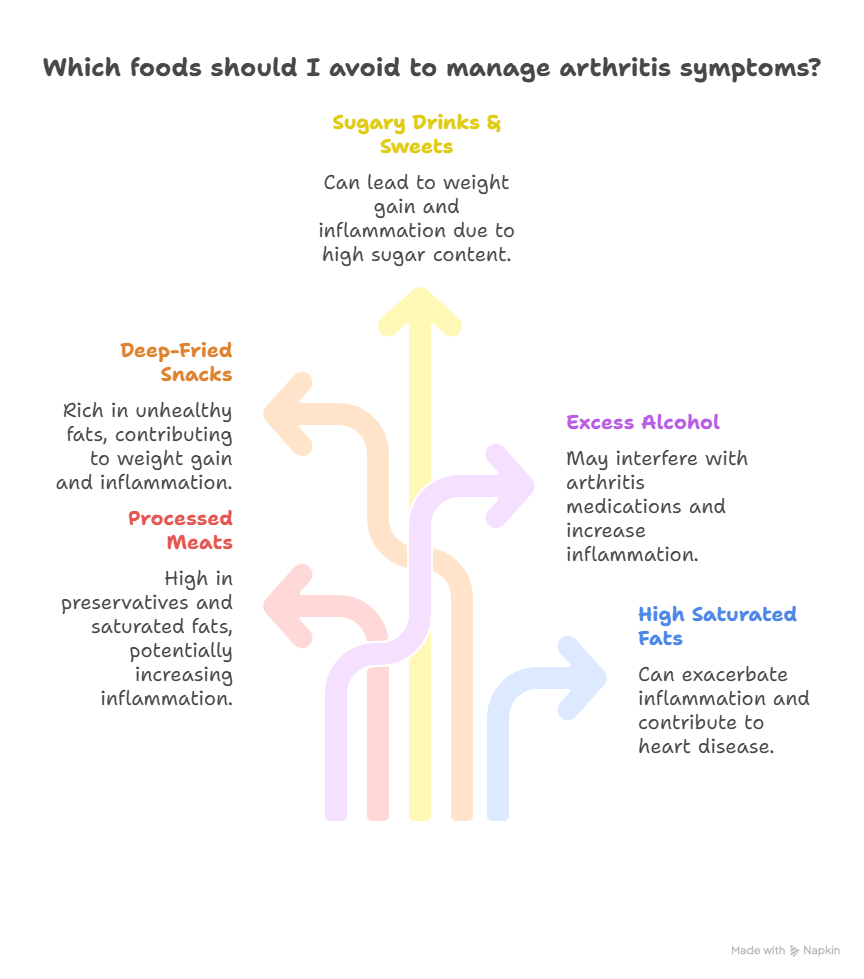
Some foods tend to worsen symptoms for certain individuals — though triggers vary person to person.
Common culprits include:
Processed meats (sausages, salami)
Deep-fried snacks
Sugary drinks and sweets
Excess alcohol
Foods high in saturated fats
The key is balance, not restriction. Keeping a food diary to track which meals increase pain or swelling can help personalize your diet.
Lifestyle Tips Alongside Diet
A healthy diet works best when combined with other arthritis management habits:
Stay active with low-impact exercises like swimming, yoga, or walking.
Maintain a healthy weight to reduce pressure on joints.
Sleep 7–8 hours for proper recovery.
Stay hydrated — water supports joint lubrication.
Final Thought on Joint Health and Food
The old myth that “diet has nothing to do with arthritis” belongs in the past. Food may not replace medicine, but it is one of the most powerful tools you have to manage arthritis naturally. Every bite can either feed inflammation or fight it.
By focusing on anti-inflammatory foods, traditional Indian ingredients like turmeric and ginger, and balanced meals rich in fibre and healthy fats, you can help your joints move better and feel stronger, at any age.
Remember, managing arthritis is not about strict diets — it’s about mindful, consistent choices that support your body’s healing rhythm, one meal at a time.
FAQs on Food Relation with Joint Health
1. Can diet really reduce arthritis pain?
Yes, while diet can’t cure arthritis, anti-inflammatory foods can reduce joint pain and stiffness by lowering inflammation markers in the body.
2. Is turmeric effective for arthritis?
Turmeric contains curcumin, a compound proven to reduce inflammation. Regular use (with black pepper for better absorption) can support joint comfort.
3. Should I stop eating dairy if I have arthritis?
Not necessarily. Unless you have a confirmed allergy or intolerance, low-fat dairy provides calcium and vitamin D essential for bone health.
4. Are vegetarian diets good for arthritis?
Yes, plant-based diets rich in fruits, vegetables, legumes, and nuts can reduce inflammation and improve joint health.
5. How long does it take to see results from dietary changes?
Consistency is key. Many people notice reduced stiffness or fatigue within a few weeks of following an anti-inflammatory diet, though results vary by individual.